Is Printful Just for Selling Merch? A Look at All Its Uses
Learn how Printful works for more than just merch. We explore its uses for online sellers, personal one-off orders, and corporate needs to see if it's right for you.
· UPDATED · 8 MIN
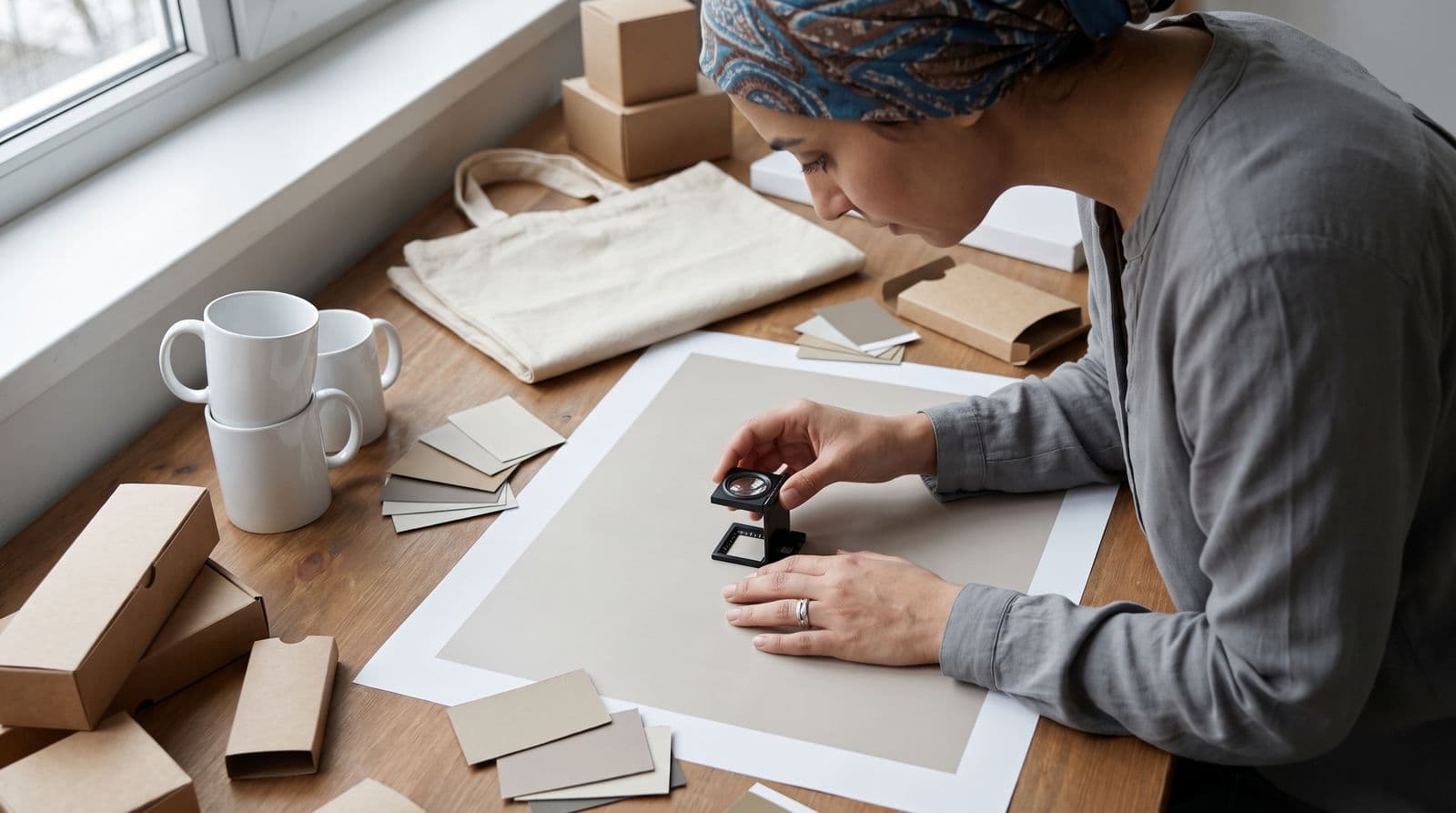
When people hear about Printful, the image that often comes to mind is of an online creator launching a line of t-shirts or an entrepreneur selling custom-designed mugs on Etsy. While this is a significant part of its business, it's far from the whole story. So, is Printful only for selling merchandise online? The short answer is no; its applications are considerably broader.
Understanding how Printful works at a fundamental level reveals a flexible model that can be adapted for e-commerce brands, corporate sourcing, and personal projects. It's also a model with real momentum behind it: the global print-on-demand market was valued at around $10.8 billion in 2025 and is forecast to grow at more than 20% a year through 2033, according to Grand View Research. This article will explore the core print-on-demand process that powers the platform. We will then examine how that model serves three distinct types of users, helping you determine if its capabilities align with your specific goals.
How Printful Works: The Core Model Behind the Versatility
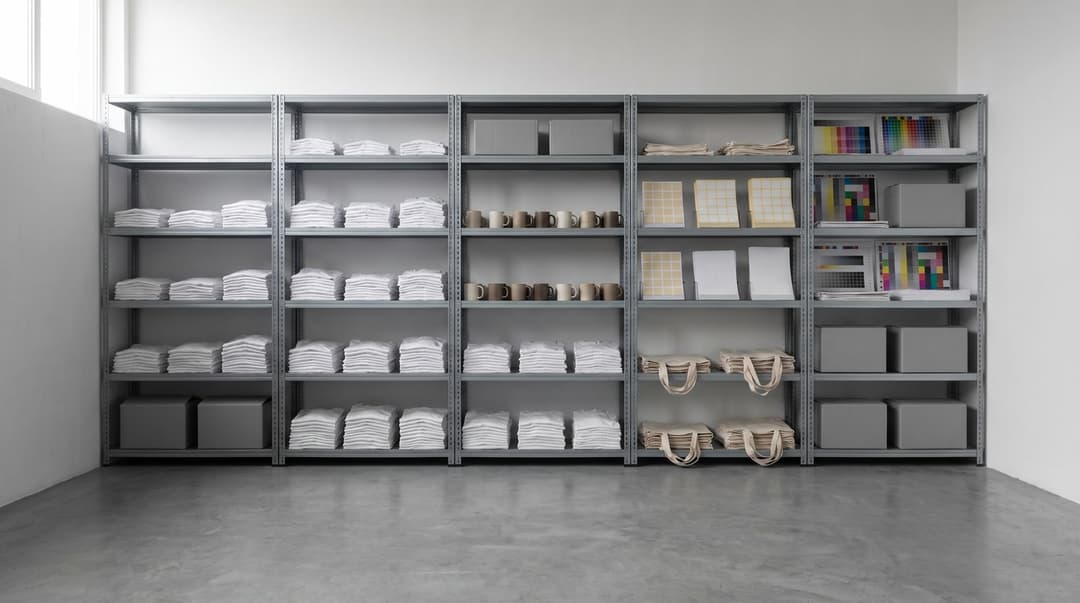
At its core, Printful is a white-label print-on-demand and fulfillment service. This means it provides the products, printing technology, and shipping logistics, all under your brand name. The customer never sees the Printful logo on the packaging. The process is the key to its versatility, and it answers not just what Printful is, but also what it enables.
The operational flow is straightforward:
- You create a design. This can be a logo, a piece of artwork, a photograph, or a text-based graphic.
- You apply the design to a product. Using Printful’s design tools, you upload your graphic and place it on an item from their extensive product range, which includes apparel, accessories, and home goods.
- An order is placed. This is the trigger for the entire process. Critically, nothing is produced until this moment.
- Printful produces and ships the item. Once an order is received, Printful prints your design on the chosen product, packages it, and ships it directly to the end customer.
The defining feature of this model is that products are created on demand. This eliminates the two biggest barriers to entry for creating custom products: bulk inventory investment and order fulfillment logistics. There is no need to guess which sizes or colors will be popular, purchase hundreds of units upfront, and store them in a warehouse. Overproduction is a structural problem in apparel: the Ellen MacArthur Foundation’s research on the textiles economy puts the value lost each year to clothing that is barely worn and rarely recycled at roughly $500 billion. On-demand production sidesteps that risk entirely. This “no minimums” approach is the central pillar that supports all of Printful’s use cases, from a single-person business to a multinational corporation.
The Primary Use Case: Selling Custom Products Online
The most common application of Printful’s on-demand model is e-commerce. For thousands of online sellers, Printful operates as a silent, automated production partner that works in the background of their online store. This is achieved through direct integrations with major e-commerce platforms and marketplaces.
When a seller connects their Shopify, Etsy, WooCommerce, or other online store to Printful, a seamless link is created. When a customer purchases a product from the seller’s store, the order information is automatically sent to Printful. Printful then handles the entire fulfillment process, from printing the garment to shipping it to the customer, all without the seller ever needing to touch the physical product. One caveat worth building into your storefront copy: the seller, not the supplier, remains responsible to the customer for delivery. In the US, the FTC’s prompt delivery rules require sellers to ship within the advertised window, or within 30 days if none is stated, so on-demand production times need to be reflected in what you promise at checkout.
Marketplace sellers should note that this arrangement usually comes with disclosure obligations. Etsy, for example, requires sellers to list their print-on-demand supplier as a production partner in their shop settings, and to remain the original designer behind the artwork.
The business model for the seller is based on the profit margin. Here is the breakdown:
- Base Cost: This is what Printful charges for the blank product and the printing service.
- Shipping Cost: This is the fee for shipping the product to the customer.
- Retail Price: This is the price the seller sets on their storefront for the customer to pay.
The seller's profit is the retail price minus the base cost and shipping. Because sellers set their own retail prices, they also control their margins.
This application is ideal for several types of businesses. Independent artists and creators can launch merchandise lines with zero upfront cost, allowing them to monetize their audience without financial risk. Entrepreneurs can use Printful to test new product ideas and market demand before committing to bulk manufacturing. Established brands can also leverage the platform to expand their product range with niche items or limited-edition collections, again without the burden of holding inventory. This is a key distinction in the print-on-demand world, often framed as the supplier vs. marketplace model, where Printful acts as a silent fulfillment partner behind your brand.
Beyond Sales: Using Printful for Personal and Corporate Needs
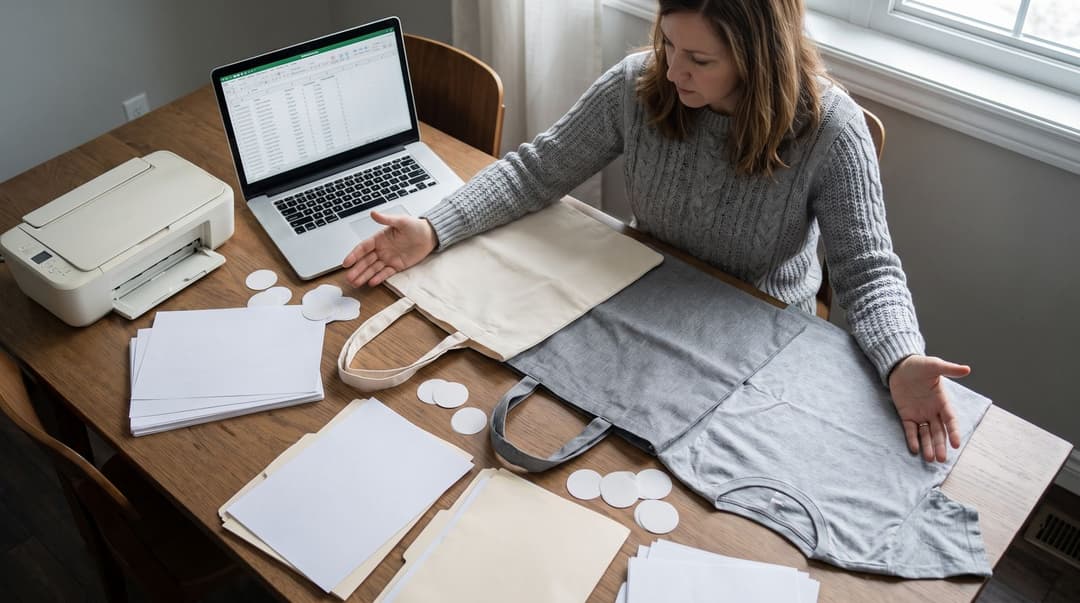
While e-commerce is its primary function, Printful’s core model is equally useful for those with no intention of selling products online. The absence of a Printful minimum order quantity makes it a practical tool for both individuals and businesses.
Personal and One-Off Use
Individuals can use Printful to create single, custom items for themselves or as gifts. Common examples include a unique t-shirt for a family reunion, a personalized tote bag with a friend’s inside joke, or a custom-designed poster for a home office. Because the platform is built to handle individual orders, ordering one item is just as simple as ordering a hundred. The process begins by creating a free Printful account, where you can upload a design and place an order for yourself without ever connecting a storefront.
For a personal project, this means placing what Printful calls a manual order directly from the dashboard. A basic manual order has no minimum quantity and is the right route for anyone without a connected store.
Sellers have a second option. Sample orders carry a 20% discount on the free plan (25% on Growth) and are typically used to check product and print quality before listing items for sale (checked October 2026). They are limited to one order per month with up to three items for most accounts, and they require a connected e-commerce store, so they are not available for purely personal use.
Corporate and Business Sourcing
Businesses of all sizes use Printful for internal and promotional needs, bypassing the traditional requirement of ordering branded merchandise in large, expensive batches. This on-demand approach offers significant flexibility and cost savings. Common corporate use cases include:
- Employee Uniforms: Order branded shirts or aprons for new hires as they join the team, rather than holding a large stock of sizes that may go unused.
- Event Swag: Create custom t-shirts, water bottles, or notebooks for a specific conference or company retreat without leftover inventory.
- Client and Employee Gifts: Send high-quality, branded welcome kits to new employees or thank-you gifts to clients on an as-needed basis.
For companies with a distributed workforce or international clients, Printful’s global fulfillment network is a considerable advantage. The question of where does Printful ship from has a specific answer: the company runs seven in-house fulfillment centers across Europe and North America, supported by partner facilities in Brazil, Japan, and Australia. An order can be routed to the facility closest to the recipient, reducing shipping times and costs, which is especially valuable for a business sending items to team members in different countries.
Understanding the Trade-Offs: Printful's Pricing and Quality

To determine if Printful is the right fit for any of these use cases, it is important to understand its value proposition and the associated trade-offs. A common question is: is Printful free to use? The answer is yes; there are no monthly fees or subscription costs required to create an account and start designing products. You only pay the base cost of a product and its shipping fee when an order is placed. Printful does offer one optional paid tier, the Printful Growth plan, which costs $24.99 per month and unlocks product discounts of up to 33% (checked October 2026). It is designed for higher-volume sellers and is not necessary for personal or small-scale use.
In our testing, Printful’s base costs are sometimes higher than those found on alternative platforms, particularly those like Printify that operate on a marketplace model connecting sellers with various third-party print providers. This price difference is a central trade-off. With Printful, a higher base cost generally corresponds with its vertically integrated model, where most production happens in-house. This gives Printful direct control over equipment, materials, and staff, which typically results in more consistent print quality and more reliable fulfillment times.
On balance, this makes Printful a strong choice for brand-conscious e-commerce sellers for whom quality and consistency are paramount. For a business ordering employee uniforms, the reliability may justify the cost. For an individual creating a single t-shirt as a novelty gift, the absolute lowest price might be a higher priority, making other services worth considering. The value for money depends entirely on the user's priority, whether it's brand consistency, shipping speed, or the lowest possible unit price. You can see a full breakdown of Printful's pricing structure on their official site.
Verdict: A Versatile Tool for More Than Just Merch
While Printful has built its reputation as a leading partner for e-commerce entrepreneurs, its utility extends well beyond the online storefront. The core of how Printful works, producing and shipping individual items on demand, is a powerful model that serves a diverse set of needs. It effectively removes the barriers of inventory and logistics, making custom product creation accessible to nearly everyone.
Our review finds that Printful successfully serves three distinct audiences. For online sellers, it is a robust and reliable fulfillment partner that helps build a brand through consistent quality. For individuals, it is a straightforward tool for creating unique, personal items with no minimums. For businesses, it is a flexible sourcing solution for corporate branding and gifting needs without the waste and cost of bulk orders.
The verdict is that Printful is a versatile platform whose best application depends entirely on your goal. While most famous for powering online merch stores, its foundational flexibility makes it an equally valuable resource for one-off personal projects and scalable corporate use.
FAQ
What is the minimum order on Printful?
The minimum order is one item. This makes the platform suitable for both e-commerce sellers testing new products and individuals ordering a single item for personal use.
Can you use Printful without an online store?
Yes. You can place manual orders directly from your Printful dashboard for personal gifts, corporate swag, or product samples without ever connecting to an e-commerce platform.
Is Printful's quality good?
In our testing, Printful offers consistent and reliable print quality. This is largely due to its in-house fulfillment model, though base costs can be higher than on platforms that use a network of third-party printers.
How much does it cost to use Printful?
The platform is free to sign up for and use. You only pay the base cost for a product plus shipping when an order is placed. Optional subscription plans with product discounts are available for high-volume sellers.
Keep reading
- Prodigi vs. Printful: Which Is Better for International Sellers?
Prodigi vs Printful (2026): A detailed comparison for international sellers. We analyze fulfillment networks, cross-border fees, and product quality to help you choose.
- Gooten vs. Printful: A 2026 Comparison for Sellers
Gooten vs Printful: Which is right for your store in 2026? We compare print quality, product pricing, integrations, and fulfillment models to help you decide.
- What Is Printify and How Does It Work?
What is Printify? Learn how Printify works for selling merchandise and for personal projects, from its pricing plans and free options to its global fulfillment network.