Top POD Sites for Artists: A 2026 Wall Art Review
Finding the best print on demand sites for artists in 2026? We review top platforms for wall art based on print quality, materials, and framing options.
· 9 MIN
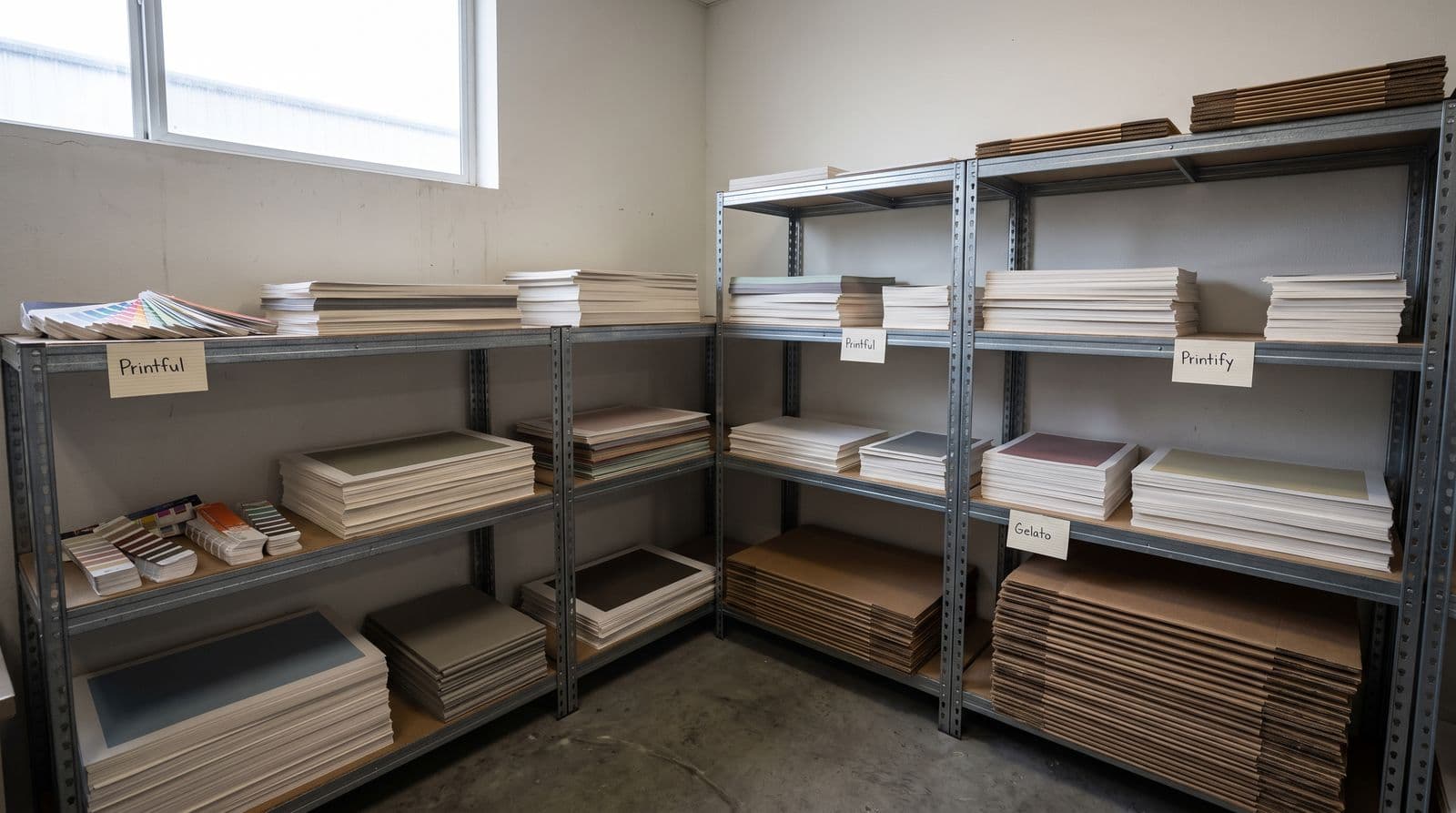
For many artists, the challenge is not in the creation of work but in its reproduction. Translating a digital masterpiece or a physical painting into a physical print that retains the original’s integrity, color, and texture is a significant hurdle. Selling these prints traditionally involves high upfront costs for inventory, the complexities of shipping, and the risk of unsold stock. Print-on-demand (POD) offers a direct solution to this problem, allowing artists to sell high-quality wall art without managing production or logistics.
This article compares the leading POD platforms from the specific perspective of a visual artist selling wall art in 2026. We will evaluate each service based on criteria that matter most for fine art reproduction: print and material quality, product variety, color accuracy, and fulfillment reliability.
The Verdict: Best POD for Artists at a Glance

For those seeking a direct recommendation, our testing shows that the right choice depends entirely on your priorities. One artist may need gallery-grade archival paper, while another needs fast, affordable global shipping. Here is a summary of our findings on the best print on demand sites for artists.
| Platform | Print Quality | Material Variety | Global Fulfillment | Best For |
|---|---|---|---|---|
| Printful | Consistent, high-quality in-house printing. | Good range of paper, canvas, and frames. | Strong, with facilities in key global regions. | All-around reliability and ease of use. |
| Printify | Varies by print provider; choice is key. | Extensive, with unique options available. | Wide network, but can be inconsistent. | Price competition and product selection. |
| FinerWorks | Excellent; specializes in Giclée printing. | Superior fine art paper selection. | Primarily US-focused; strong but less global. | Artists prioritizing archival quality. |
| Gelato | Good, standardized quality across network. | Focused on popular, high-volume products. | Excellent, with over 150 local production hubs. | Selling to a global audience efficiently. |
Based on our analysis, here are our top recommendations:
- Best Overall Balance: Printful. For artists who want a dependable partner with consistent quality control and a smooth user experience.
- Best for Choice & Price: Printify. For sellers comfortable navigating a marketplace of printers to find the best price and product fit.
- Best for Gallery-Quality Prints: FinerWorks. For fine art photographers and illustrators for whom archival quality is non-negotiable.
- Best for Global Reach: Gelato. For creators with an international audience who need to minimize shipping times and costs.
Our Review Criteria for Wall Art
To provide a fair comparison of the best print on demand for wall art, we evaluated each platform against a consistent set of criteria crucial for professional artists. A service that excels at t-shirts may not meet the standards required for reproducing fine art, so our focus remained squarely on the unique demands of selling prints.
Print & Paper Quality
This is the most critical factor. We looked for platforms offering what is known as the Giclée printing process, which uses high-resolution inkjet printers and pigment-based archival inks to produce gallery-quality prints. These prints resist fading and can last for over 100 years. The paper stock is equally important. We assessed the availability of archival, acid-free papers in various weights and finishes, such as matte, luster, satin, and metallic. The difference between a standard poster and a fine art print often comes down to the quality of these materials.
Product Range & Materials
An artist’s portfolio is diverse, and a POD partner should reflect that. Beyond standard posters, we reviewed the depth of each platform’s catalog. This includes stretched and wrapped canvas prints, framed prints with a choice of matting and frame styles, and more contemporary options like acrylic and metal prints. A wider range of materials allows artists to offer their work at different price points and in formats that best suit the art itself.
Color Accuracy & File Management
Faithful color reproduction is essential. We evaluated how each platform handles color management, specifically their requirements for color profiles (most use sRGB, but some may support CMYK). The ability to order samples at a discount is a key feature, as it allows an artist to verify that the physical print matches their digital file before offering it to customers. This step is a non-negotiable part of our testing process.
Packaging & Fulfillment
Wall art, especially framed pieces and large canvases, is fragile and expensive to ship. A damaged print results in a poor customer experience and financial loss. We considered the robustness of each company’s packaging, looking for reinforced corners, protective coverings, and sturdy boxes. Fulfillment time, which is the time from order placement to shipment, was also a key metric, as was the reliability of their shipping network.
The Best POD Platforms for Artists: In-Depth Reviews
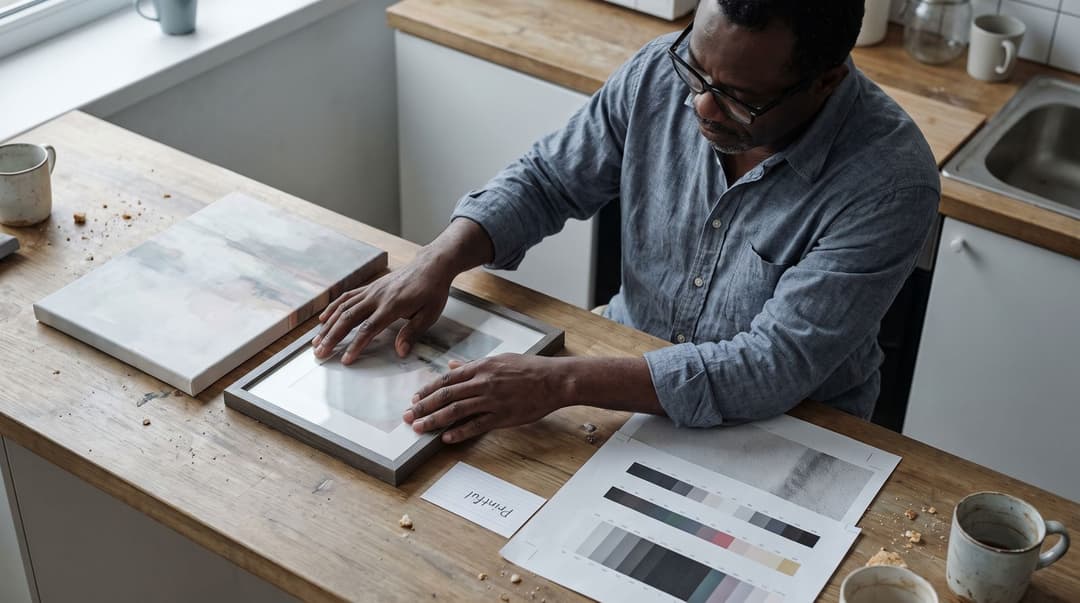
Here we apply our criteria to the leading print-on-demand services, examining the specific strengths and trade-offs of each for selling wall art.
Printful
Overview: Printful operates on an in-house production model. This means it owns and manages its fulfillment centers, printers, and staff, giving it end-to-end control over the production process. This structure is designed to deliver a high level of consistency.
Wall Art Offerings: Printful’s catalog includes enhanced matte and luster photo paper posters, framed prints with several frame and matting options, and stretched canvas prints. The quality is reliable across the board, making it a safe choice for artists who need predictable results. Its Design Maker includes high-quality mockups, which is a significant advantage for marketing.
Pros:
- Consistent quality due to in-house production.
- User-friendly interface and powerful mockup generator.
- Reliable fulfillment times and transparent tracking.
- White-label packaging with options for custom branding.
Cons:
- Base costs can be higher than on marketplace-style platforms.
- Fewer niche or specialty paper options compared to a fine art specialist.
Verdict: Printful is the ideal partner for artists who prioritize reliability, consistency, and a seamless user experience over having the absolute lowest price or the most exotic paper stock. On balance, for artists who value in-house consistency and a streamlined user experience, it may be worthwhile to create an account with Printful to explore its mockup tools and sample ordering process.
Printify
Overview: Printify is not a direct printer; it is a technology platform that connects sellers to a vast, distributed network of third-party print providers. This model creates a competitive marketplace where sellers can choose a provider based on price, location, or product options.
Wall Art Offerings: The selection is extensive, as it is aggregated from more than 140 print providers. Through Printify’s global Print Provider network, artists can find everything from standard posters and canvases to unique items like wood or metal prints. The key is to research each provider, as quality, production times, and packaging can vary significantly from one to the next.
Pros:
- Highly competitive pricing due to provider competition.
- Enormous product variety, including many specialty wall art items.
- Ability to route orders to printers closer to the customer.
- Printify Premium subscription offers significant discounts for high-volume sellers.
Cons:
- Quality and fulfillment consistency can be a challenge, as it depends on the chosen provider.
- Managing orders from multiple providers can add complexity.
- Customer support issues may involve an extra layer between the seller, Printify, and the print provider.
Verdict: Printify is best for entrepreneurial artists who are willing to do their own research and testing to find the perfect balance of price, quality, and product uniqueness within its network.
FinerWorks
Overview: FinerWorks is a specialized print-on-demand service that caters specifically to fine artists and photographers. Their entire operation is built around producing gallery- and museum-quality reproductions, with a strong focus on archival materials.
Wall Art Offerings: This is where FinerWorks excels. They offer an impressive array of paper options, including multiple archival papers from brands like Hahnemühle and Moab. They provide true Giclée printing for both paper and canvas prints. Their framing options are also professional-grade, offering a more bespoke feel than many larger, more generalized POD services.
Pros:
- Exceptional print quality using archival inks and papers.
- Specializes in Giclée printing, the gold standard for fine art.
- Excellent selection of professional-grade paper stocks and framing.
- Deep expertise in art reproduction.
Cons:
- The product catalog outside of wall art is limited.
- Fewer direct e-commerce integrations than larger platforms like Printful or Printify.
- Base costs reflect their premium, specialized quality.
Verdict: FinerWorks is the clear choice for artists for whom quality is the absolute top priority and whose customers expect true gallery-grade prints.
Gelato
Overview: Gelato operates on a distributed production model, similar to Printify, but with a curated and standardized network. It partners with over 150 print hubs in 32 countries, automatically routing orders to the facility closest to the end customer.
Wall Art Offerings: Gelato’s catalog is well curated but more standardized than Printify’s. It includes posters on several paper types, canvas prints, and framed options, as well as acrylic and metallic prints. The focus is on offering the most popular products with consistent quality across all of Gelato’s local production hubs. This model optimizes for speed and reduced shipping costs.
Pros:
- Exceptional global reach for fast, cost-effective international shipping.
- Sustainable model that reduces carbon emissions through local production.
- Standardized product quality across its global network.
- Competitive pricing, especially for international orders.
Cons:
- Less product variety and customization than Printify.
- Fewer specialized fine art paper options compared to FinerWorks.
Verdict: Gelato is an excellent option for artists with a global audience, as its core strength lies in making international e-commerce efficient, affordable, and reliable.
Key Considerations for Artists: Integrator vs. Marketplace
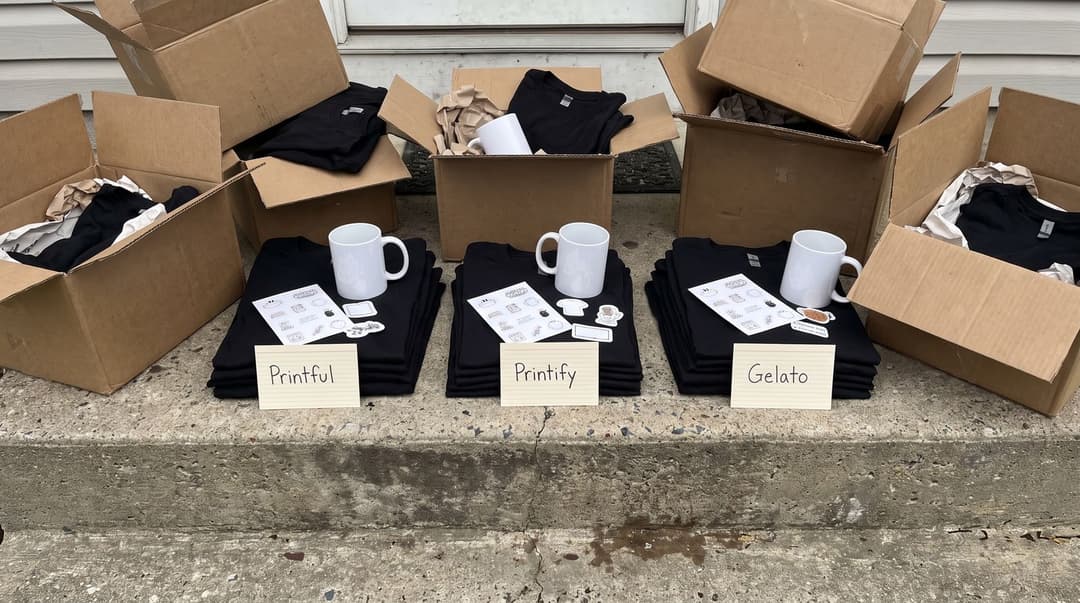
Beyond choosing a specific company, artists face a larger strategic decision: using a POD integrator versus selling on a POD marketplace. The print on demand sites for artists reviewed above are all integrators. They connect to a store you own, whether on Shopify, WooCommerce, or another platform.
Integrators (Printful, Printify, Gelato, FinerWorks): These services empower you to build your own brand. You control the website, customer experience, and pricing, leading to higher profit margins. The trade-off is that you are responsible for marketing and driving traffic to your store. This path offers more control and long-term brand equity but requires more entrepreneurial effort.
Marketplaces (Society6, Redbubble, Fine Art America): These are platforms that have a built-in audience of buyers. You upload your art, and the marketplace handles all marketing, sales, and fulfillment. This is a lower-effort way to get started, but the trade-offs are significant. You have little to no control over branding, profit margins are much lower, and your work is displayed alongside thousands of competitors. Many artists find success by pairing a POD integrator with a popular marketplace; for a deeper analysis of this strategy, see our guide to the best POD platforms for Etsy.
Conclusion
Choosing from the many print on demand websites for artists in 2026 is a matter of aligning a platform’s strengths with your artistic and business priorities. There is no single service that is universally best; instead, there is a right fit for every type of creator.
On balance, the choice comes down to a series of trade-offs. FinerWorks offers uncompromising quality for artists who need archival prints. Printify provides unparalleled choice and competitive pricing for those willing to manage its network. Gelato excels at connecting artists with a global customer base through its localized fulfillment. And Printful delivers a powerful combination of in-house consistency, reliability, and user-friendly tools.
By understanding your own needs regarding print quality, product range, and target audience, you can confidently select a partner that will help you turn your digital creations into beautiful, tangible art for customers around the world.
FAQ
What is the best POD for Giclée prints?
For true, archival-quality Giclée printing, specialized services like Finerworks are often the strongest choice as they focus specifically on fine art reproduction.
Can I add my own branding or signature to wall art?
This depends on the platform. Services like Printful offer white-label packaging and custom pack-ins, but adding a signature to the print itself must be part of your digital file before you upload it.
How do I ensure color accuracy for my prints?
Always design in the color profile recommended by the POD service, which is typically sRGB. Crucially, you should always order samples to calibrate your screen and check the final output before listing products for sale.
Keep reading
- Best Print-on-Demand for Etsy in 2026: 5 Platforms Compared
Choosing the best print-on-demand for Etsy? We compare Printify, Printful, and more on integration, product quality, and cost to help you find the right partner for 2026.
- Best Print-on-Demand for Baby Products in 2026
Searching for the best print on demand for baby products? We compare Printful, Printify, and Gelato on safety compliance, product quality, and catalog range in 2026.
- Print-on-Demand for Books & Journals: A 2026 Comparison
Choosing a platform for print-on-demand for books? We compare Amazon KDP, Lulu, and IngramSpark on quality, distribution, and cost to help you decide in 2026.