Best Print-on-Demand for Baby Products in 2026
Searching for the best print on demand for baby products? We compare Printful, Printify, and Gelato on safety compliance, product quality, and catalog range in 2026.
· 10 MIN
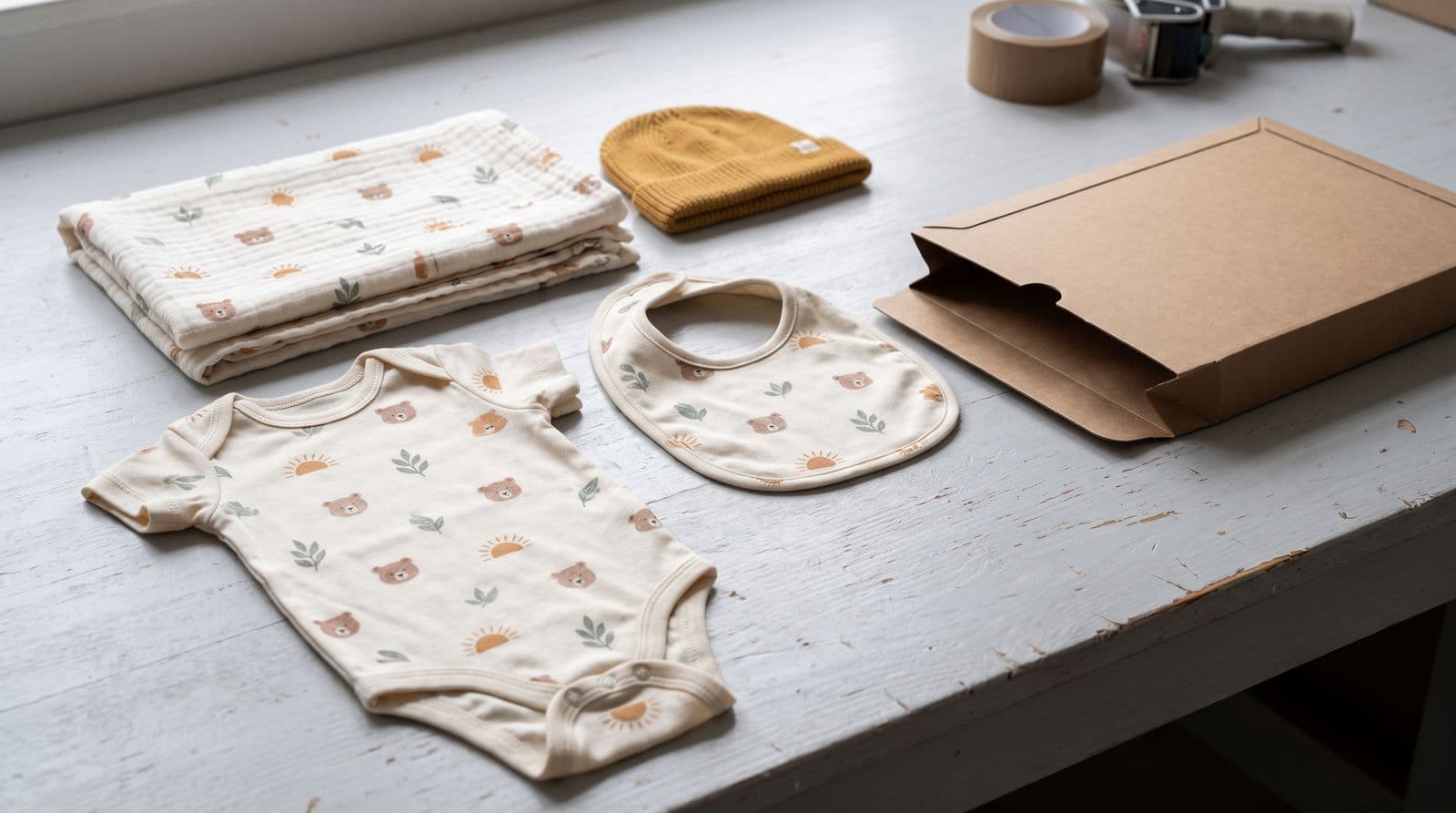
The market for personalized baby gifts is consistently strong, driven by events like baby showers, holidays, and birthdays. For e-commerce sellers, this niche offers a chance to create emotionally resonant products that customers love. However, choosing a partner for print on demand baby products involves more than weighing fulfillment times and profit margins. When your products are intended for infants, safety, material quality, and print durability are the most important considerations.
This article provides a direct comparison of five print-on-demand platforms, evaluating them against criteria essential for the baby product market. By understanding the specific strengths and trade-offs of each service, you can make an informed choice for your business and sell with confidence.
Our Review Criteria for Baby Product POD
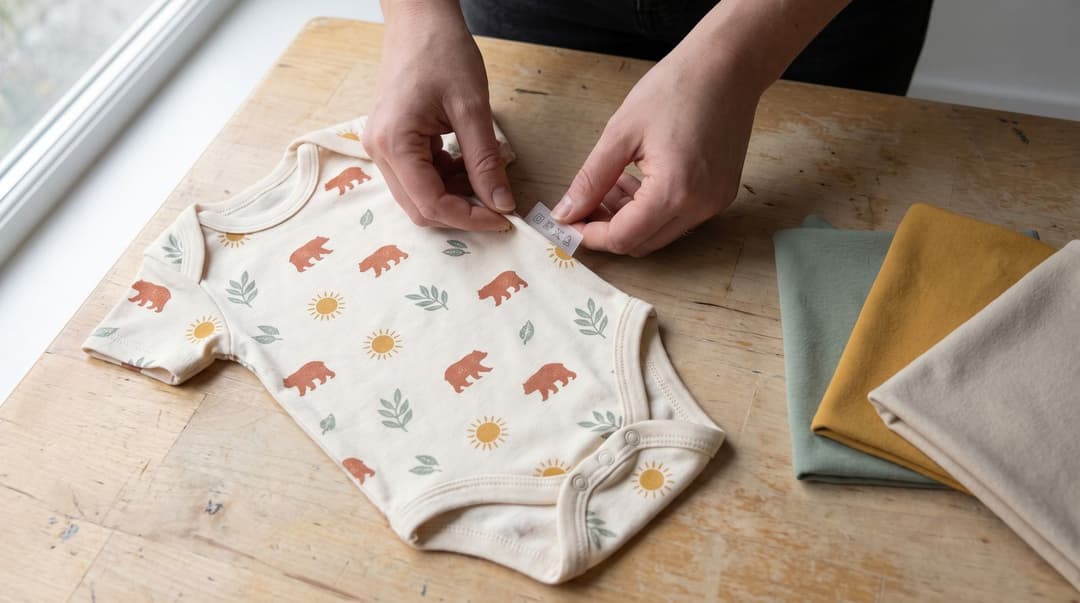
Before comparing the platforms, it is important to establish the framework for our analysis. We evaluate each service against four key criteria that are critical for sellers in the baby product niche.
- Product Range & Quality: This criterion assesses the availability of core baby items such as bodysuits (onesies), bibs, blankets, and hats. We look at the depth of the catalog, including the variety of sizes and colors. The quality of the base garments is also a major factor, with a focus on soft, infant-appropriate materials like 100% combed ringspun cotton and the availability of organic options.
- Safety & Compliance: For products sold to a US audience, this is a non-negotiable element. We check whether platforms and their products adhere to the Consumer Product Safety Improvement Act (CPSIA), which mandates tracking labels on apparel and third-party testing for substances like lead and phthalates. Additionally, the inks used in printing must be water-based and safe for direct contact with an infant’s skin.
- Print Quality & Durability: Direct-to-garment (DTG) printing must produce vibrant, sharp designs that do not feel rough on soft baby apparel. Just as important is durability. Designs must withstand repeated washing and machine drying without cracking, fading, or peeling. Our analysis always considers the importance of sample ordering to verify this firsthand.
- Base Cost & Shipping: The final criterion is profitability. We analyze how each platform’s base cost for key baby items affects the final profit margin for the seller. This includes not only the price of the blank product and the printing but also the associated shipping costs and typical fulfillment times, which contribute to the overall customer experience.
The Platforms Compared: An Overview
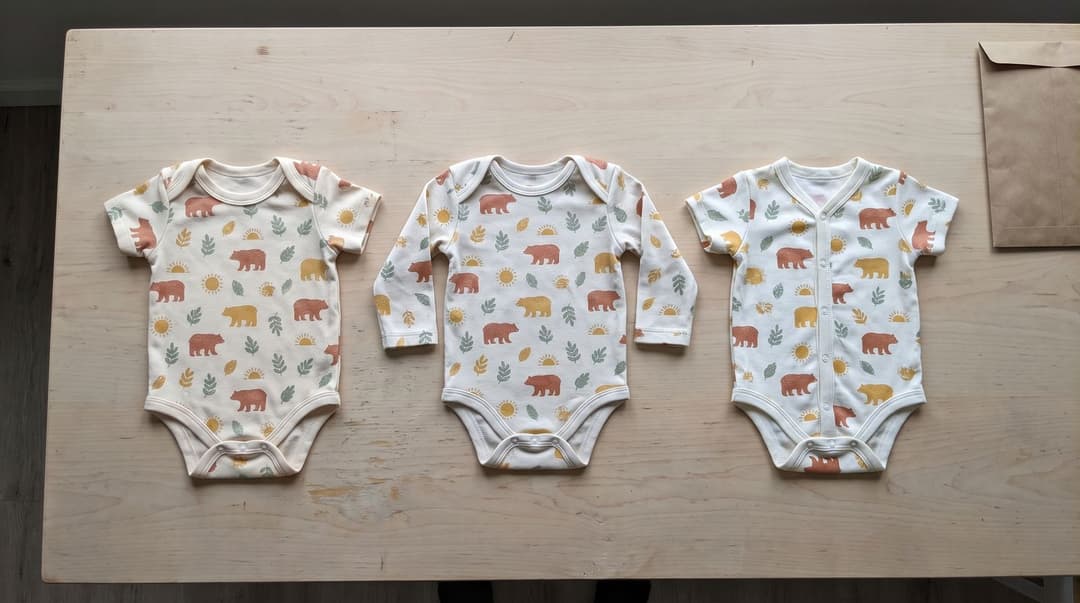
We evaluated five platforms for this review: Printful, Printify, Gooten, SPOD, and Gelato. Each operates on a different business model, which directly influences its strengths and weaknesses for selling baby products. Printful and Printify are listed first as the platforms most sellers already know; we describe what their catalogs offer but do not rank them in the verdict.
| Platform | Business model | Core strength |
|---|---|---|
| Printful | In-house production and fulfillment | Consistent output from owned facilities |
| Printify | Open network of third-party print providers | Breadth of blanks and providers |
| Gooten | Curated network of US-based manufacturers | Baby-specific catalog with stated CPSIA labeling |
| SPOD | Spreadshirt’s own facilities in the US and EU | Fast production and organic basics at low base cost |
| Gelato | Global network of localized printers | International shipping efficiency |
Printful prints and fulfills in its own facilities. Its baby catalog is built on Rabbit Skins blanks, including the 4400 short-sleeve rib bodysuit and the 4424 jersey bodysuit, the latter available with DTG print or center-chest embroidery. It is apparel-focused; accessories such as bibs or blankets do not appear in its baby section. Its product pages describe materials and fit but do not display a CPSIA statement.
Printify is an open network: the same Rabbit Skins bodysuit can be ordered from any of eight print providers, and the baby catalog adds Gerber Onesies, organic cotton bodysuits, and baby tees. Printify’s product pages include a compliance block that notes the CPSIA tracking label on the blank itself, but print quality and turnaround depend on which provider you select, so samples from the chosen provider are essential.
Gooten is a network platform, but a curated one: it routes orders to a vetted set of mostly US-based manufacturers rather than an open marketplace of providers. For baby products that matters, because its product pages state CPSIA-compliant tracking labels on the bodysuits it sells, and its baby catalog goes beyond apparel into crib sheets and blankets. The trade-off is a smaller overall catalog than the largest platforms and a dashboard built more for scaling sellers than for first-timers.
SPOD is the print-on-demand service of Spreadshirt, which prints in its own facilities in the United States and Europe. Its strengths are speed and price: products are typically printed within 48 hours, and its organic baby bodysuit sits at the lower end of base costs for a certified organic garment. The weakness is breadth. The baby range is a handful of Spreadshirt-brand basics, so it suits sellers building a small, focused line, not a deep catalog, making it a strong contender for the best pod for baby onesies on cost alone.
Gelato uses a global network of print partners with an emphasis on localized production. When an order comes in from France, for example, Gelato routes it to a facility in or near France. This model is built to reduce shipping times, costs, and environmental impact. Its strengths are global reach and sustainability. The trade-off is that its baby catalog is apparel only, and because production is distributed across partners, compliance documentation has to be checked per market.
All three platforms offer robust e-commerce integrations, which is a key consideration for sellers on major marketplaces; you can read more in our guide to the best print-on-demand platforms for Etsy.
Detailed Breakdown: Product Catalogs and Safety
Here, we apply our review criteria to each platform’s specific offerings for custom baby clothes print on demand.
Safety is the primary concern. In the United States, children’s products must comply with the Consumer Product Safety Improvement Act (CPSIA), which sets standards for product safety and labeling. Of the three, Gooten is the most explicit: its baby bodysuit listings state a CPSIA-compliant tracking label in the side seam. SPOD’s baby garments are Spreadshirt blanks printed in the US, but its product pages do not state CPSIA compliance, so sellers should confirm with SPOD before listing. Gelato states a commitment to safe materials and partners who comply with local regulations, which in practice means documentation varies by the partner that fulfills each order. In every case, the seller is the brand of record and bears the legal responsibility, so written confirmation from the platform is worth obtaining regardless of what a product page says. For reference, Printify’s product pages list the CPSIA tracking label under “other compliance information,” and Printful’s product pages do not display a compliance statement.
Here is an overview of product availability across the platforms.
| Product category | Printful | Printify | Gooten | SPOD | Gelato |
|---|---|---|---|---|---|
| Baby bodysuits (onesies) | Yes (Rabbit Skins) | Yes (Rabbit Skins, Gerber, organic) | Yes (Rabbit Skins, Bella+Canvas, Gerber) | Yes (Spreadshirt organic) | Yes |
| Baby T-shirts | Yes | Yes | Yes | Yes | Yes (crewneck) |
| Baby bibs | Not listed | Not listed | Yes (jersey or micro mink) | Yes (Rabbit Skins, $8.02) | No |
| Baby blankets | No baby-specific | Not listed | Yes (swaddle, two sizes) | No | No baby-specific |
| Crib sheets | No | No | Yes | No | No |
| Organic options | Not confirmed | Yes | Yes (Gerber organic bodysuits) | Yes (100% organic cotton) | Yes |
| Stated CPSIA labeling | Not stated | Yes, on product pages (blank-level) | Yes, on product pages | Not stated; confirm | Not stated; varies by partner |
Printful’s baby range sits in its kids and teen catalog. The two anchor products are the Rabbit Skins 4400 short-sleeve bodysuit and the Rabbit Skins 4424 jersey bodysuit, both 100% combed ring-spun cotton with front and back DTG print, the 4424 also available with center-chest embroidery. There are no bibs, blankets, or crib sheets in the baby section, so it suits apparel-only stores.
Printify’s baby clothing catalog covers the same Rabbit Skins bodysuits plus Gerber Onesies, organic cotton bodysuits and tees, and long-sleeve and long-legged styles, each from several print providers. The bestselling fine jersey bodysuit is offered by eight providers, which gives the widest choice of price and production location here but makes sampling from your chosen provider a necessity.
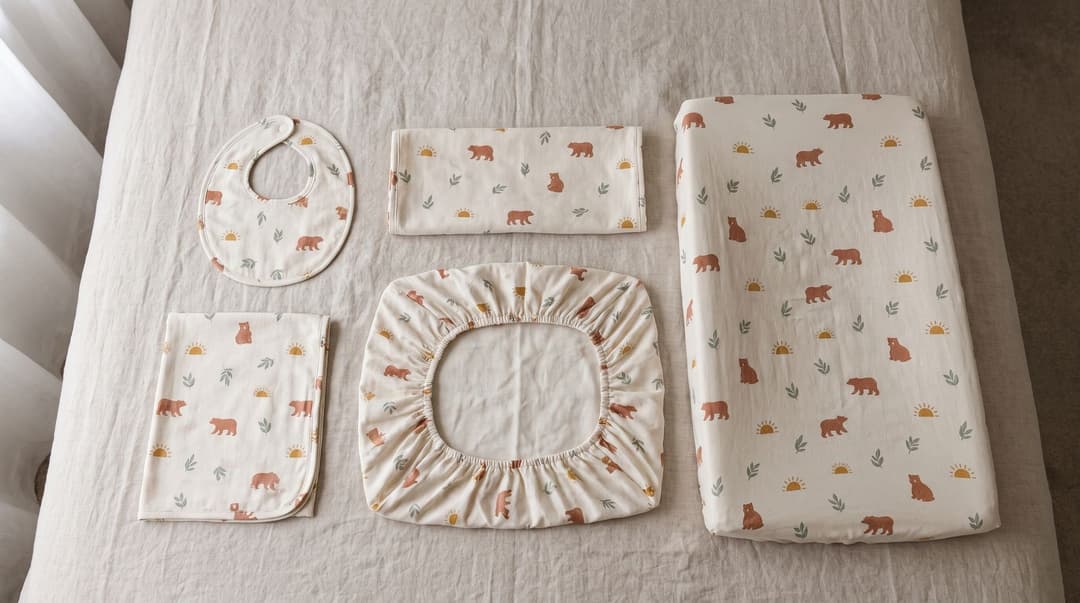
Gooten’s baby products catalog is the most baby-specific of the three. Its bodysuits come from recognizable blanks, including Rabbit Skins fine jersey and rib styles, the Bella+Canvas 100B, and Gerber organic cotton bodysuits, and it is the only platform here that goes beyond apparel: bibs, burp cloths, swaddle blankets, crib sheets, changing pad covers, nursing covers, and baby beanies all sit in the same catalog. That makes it the natural choice for a store that wants to sell a nursery set, not just a shirt.
SPOD’s baby range is narrow but well specified: the organic contrast short-sleeve bodysuit is 100% certified organic cotton at a $15.14 base (as of October 2026), printed in the US with a 48-hour production target, and EU customers are served from Spreadshirt’s European facility. A Rabbit Skins bib at $8.02 and baby tees round out the line; there are no blankets or other nursery items. For sellers whose whole catalog is three or four bodysuit designs, the speed and the price per unit are hard to beat.
Gelato’s custom baby bodysuits page covers bodysuits and baby crewneck tees, including organic options. While its catalog lacks accessories like bibs or blankets, its focus on core apparel is suitable for sellers prioritizing its global fulfillment network.
Verdict: Choosing the Right Platform for Your Store
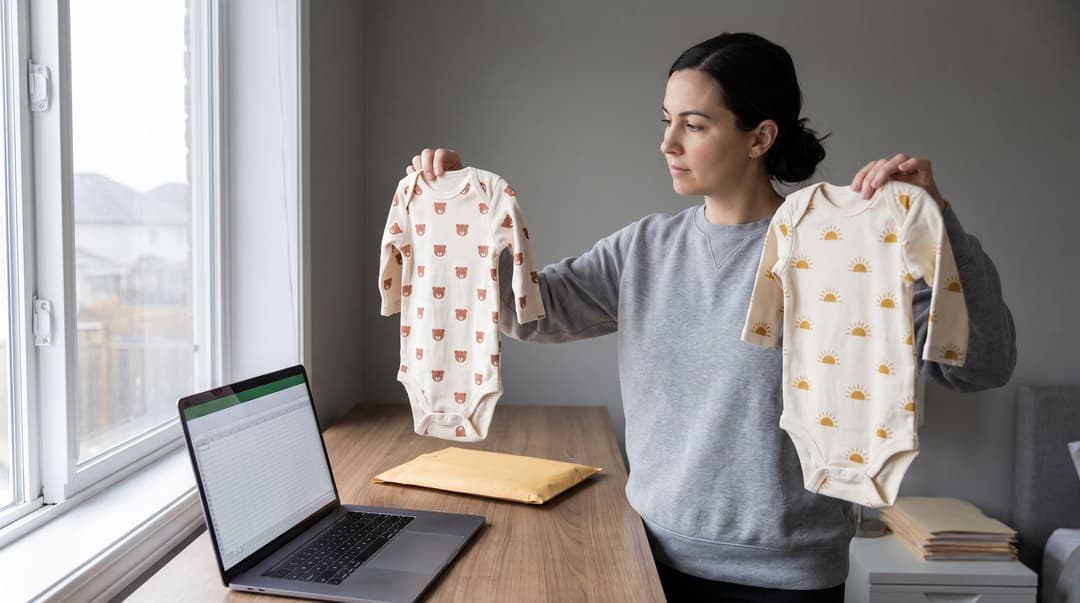
The right platform depends entirely on your business priorities. Each service presents a distinct trade-off between control, choice, and global reach. The recommendations below cover Gooten, SPOD, and Gelato; Printful and Printify are described above and are not ranked here.
- Gooten is best for US sellers who want a full nursery range with stated compliance. It is the only platform here whose product pages state CPSIA labeling, and the only one with a full nursery range (bibs, burp cloths, swaddles, crib sheets, changing pad covers) as well as apparel. The trade-offs are a smaller catalog outside the baby category and a platform that assumes some ecommerce experience.
- SPOD is best for a small, fast, organic line. For sellers launching with a few bodysuit designs who want certified organic cotton at a low base cost and 48-hour production in the US or EU, SPOD is the simplest option. Confirm compliance documentation with SPOD before listing, and expect to outgrow the range if your catalog expands beyond basics.
- Gelato is best for global and eco-conscious sellers. For businesses with a significant international audience, Gelato’s localized production model is a key advantage. It can lead to faster shipping, lower costs, and a reduced carbon footprint. Its baby catalog is apparel only, but it is worth considering for any brand that values sustainability and global logistics as a core part of its identity.
Conclusion
There is no single best platform for print on demand baby products; there is only the best fit for your specific business goals. The decision ultimately hinges on a central trade-off. Printful and Printify both carry the standard Rabbit Skins bodysuits most baby stores start with, and sellers already on either platform can compare the specifics above against their current setup. Gooten offers the deepest baby-specific catalog and the clearest compliance statement. SPOD offers speed and organic basics at a low base cost with a narrow range. Gelato delivers efficient global fulfillment with an apparel-only catalog.
The most critical step you can take after reading this analysis is to order samples. Hold the products in your hands, test the print quality, and wash the garments multiple times. The right partner is the one that empowers you to sell safe, high-quality, and well-printed products to your customers with complete confidence.
FAQ
Is print-on-demand safe for baby clothes?
Yes, provided the supplier uses baby-safe inks and the base products meet safety standards like CPSIA for the US market. Always verify this with the platform and order samples.
Which POD platform has organic baby clothes?
This varies, but both Printful and certain providers on Printify's network typically offer a selection of organic cotton baby bodysuits and other items. Check their catalogs for current availability.
Can I sell POD baby products on Etsy?
Yes, all the platforms reviewed (Printful, Printify, Gelato) integrate directly with Etsy, making it a popular combination for sellers of personalized baby items.
Do I need a Children's Product Certificate (CPC)?
For sales in the United States, you as the seller are legally responsible for certifying that your products comply with CPSC rules. Reliable POD partners can provide the necessary testing documentation to support your CPC.
Keep reading
- Best Print-on-Demand for Etsy in 2026: 5 Platforms Compared
Choosing the best print-on-demand for Etsy? We compare Printify, Printful, and more on integration, product quality, and cost to help you find the right partner for 2026.
- Print-on-Demand for Books & Journals: A 2026 Comparison
Choosing a platform for print-on-demand for books? We compare Amazon KDP, Lulu, and IngramSpark on quality, distribution, and cost to help you decide in 2026.
- Best Print-on-Demand for Shirts in 2026: 6 Suppliers Compared
Find the best print on demand shirts supplier for your brand in 2026. We compare Printful, Printify, Gelato, and more on print quality, pricing, and catalog depth.