Fourthwall Review: How It Compares With Other POD Platforms
An honest Fourthwall review: how the shop, catalog and fees work, what you keep, shipping times, the YouTube, Twitch and TikTok integrations, and when a supplier like Printful is the better fit.
· 9 MIN
FIGURES CHECKED OCTOBER 2026
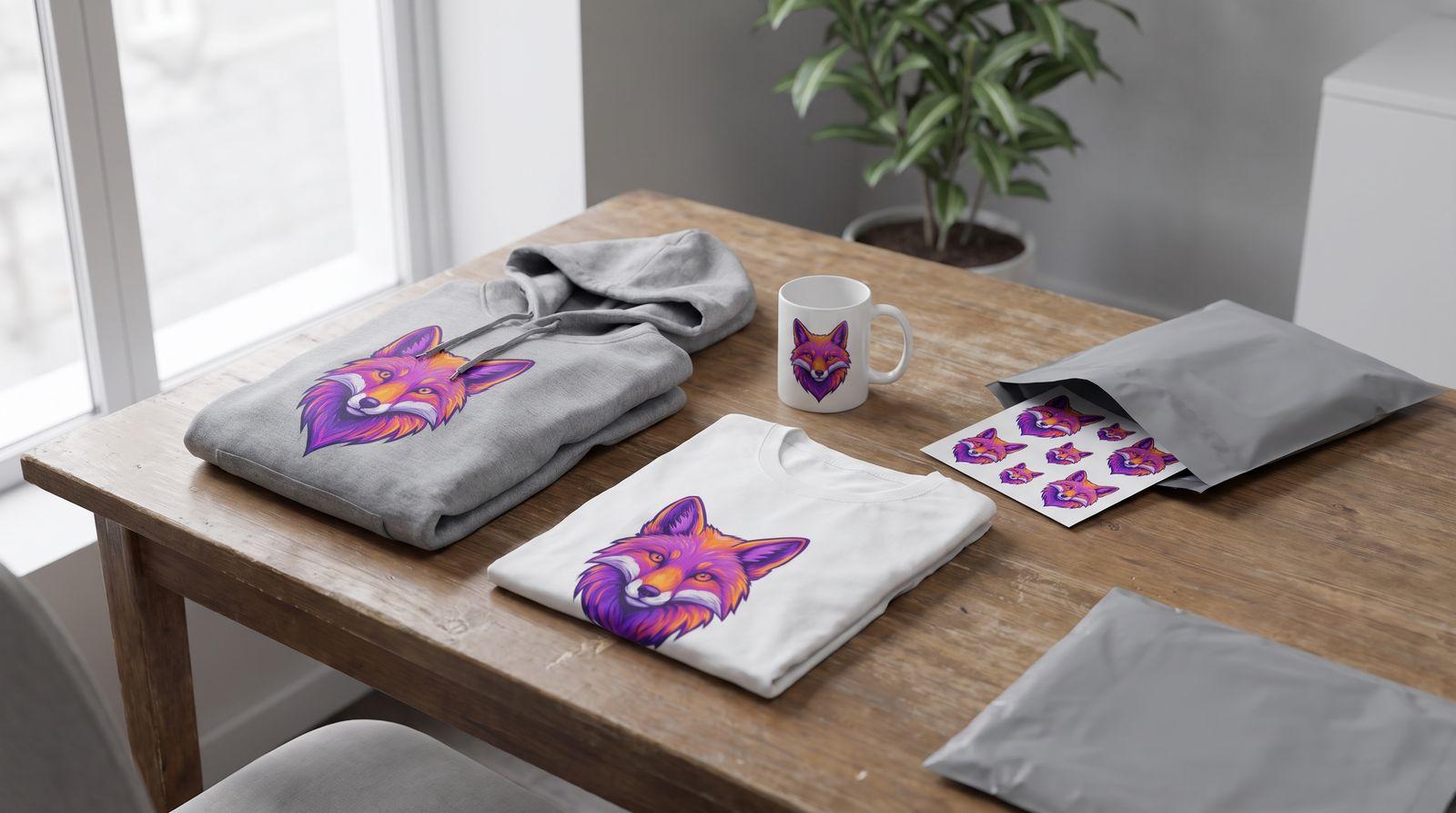
Fourthwall is the platform behind a large share of the creator shops linked under YouTube videos and in Twitch panels: a hosted storefront, a curated print-on-demand catalog, memberships and digital products, all in one place with no monthly fee to start. This review covers how it works, what it charges and what you keep, shipping and delivery times, the products, the integrations with YouTube, Twitch and TikTok, and the question most people searching "Fourthwall reviews" actually have: whether it beats running a supplier like Printful behind a store of your own.
The Verdict
Fourthwall is a good choice for a creator who wants a shop that looks finished on day one and never wants to think about suppliers, apps or checkout. The fee structure is clean: no monthly cost, a listed product cost per catalog item, card processing on each sale, and nothing else taken from physical products. The trade-offs are those of any hosted platform: a catalog whose suppliers you do not choose, product costs set by Fourthwall rather than by a market of printers, a listing cap on the free plan, and a storefront that lives on Fourthwall's rails. If you sell to an audience that already follows you, Fourthwall removes nearly all the work; if you want a store that could outgrow any one platform, a supplier behind your own storefront is the more flexible route.
How Fourthwall Works
You sign up, pick a shop template, and build products from a curated catalog. Sourcing, samples, production and quality control are handled by manufacturing partners Fourthwall vets, and the shop connects to YouTube, Instagram, TikTok, Spotify and others. The important word is partners: nothing is printed in-house. The platform curates a set of manufacturers, prices each product, and routes your orders to them. You never see which printer made a shirt, and you cannot choose.
The shop is the other half. It is hosted for you, with checkout, taxes, support emails and payouts handled, and you can add memberships, digital downloads and self-shipped products next to the catalog items. It is closer to a creator-focused Shopify with a supplier attached than to a supplier with a shop bolted on.
Fees and What You Keep

The pricing is published and simple to follow. Fourthwall's pricing page says every catalog product has a publicly listed flat fee deducted from the price you set, with no extra percentages or margins, that US credit card transactions carry a processing fee of 2.9% plus 30 cents, that digital products carry a 5% fee on the Free plan and none on Pro, that memberships carry a 5% fee, and that payouts are free. Physical products carry no platform fee at all. International cards and PayPal cost a little more to process, which matters if most of your audience is outside the US.
So on a catalog t-shirt, what you keep is your price minus the listed product cost minus card processing, and that is the whole sum. There is no monthly fee on the Free plan. The paid plan is Pro: the Pro FAQ in the help centre lists it at $19 a month or $180 a year, which the pricing page shows as $15 a month on the yearly rate, and says Pro raises the product listing limit from 50 on Free to 500. For a shop that sells physical merch only, Free is enough until you hit that cap.
The product cost is the figure to watch. It is set per item and published in the catalog, and because there is one price per product rather than a choice of printers, it decides your margin. The honest comparison is to put that listed cost next to a supplier's base price for the same blank plus the shipping the supplier would charge you, which our profit calculator does for the supplier side. We did not price individual catalog items for this review, so check the product you intend to sell.
Shipping and Delivery Times
Customers pay shipping at checkout, and the rate depends on the item, the destination and where it is made. If you run a free-shipping promotion on catalog items, that cost comes out of your profit on the order. The rate for a given product and destination is shown on the catalog product page, and it affects conversion even though it is not your cost.
On timing, the delivery expectations article in its help centre says on-demand products take 2 to 5 business days to produce, that US transit adds 3 to 7 business days for a typical total of 5 to 12, that international orders take 2 to 4 weeks after production, and that production slows during holidays and large drops. Those are in line with the main suppliers, as you would expect from the same kind of printers.
Products and Print Quality
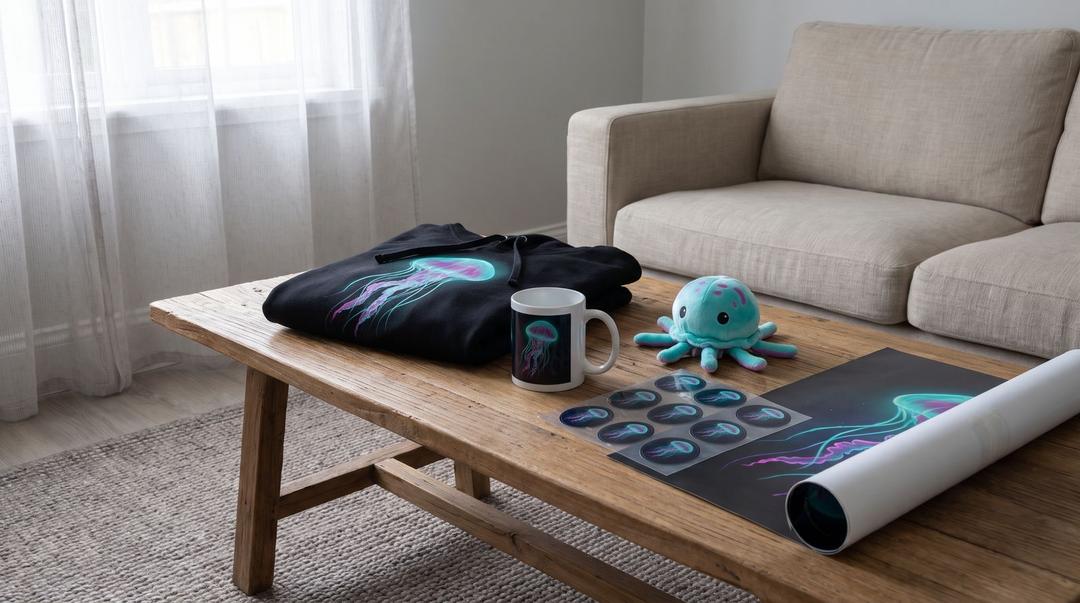
The catalog is creator-shaped: tees, hoodies, hats, mugs, stickers, posters, plushies and a long tail of items a merch-buying fan might want, with the blanks and decoration methods chosen for you. Because the suppliers are vetted and the range is curated, quality on the core apparel is consistent and the mockups are good. Because the range is curated, it is also smaller than a supplier's full catalog, and if the product you want is not in it there is no second printer to try. Order samples before any drop; the paid plan gives you shop credit for it. You can also sell your own products alongside the catalog, shipped by you with no platform fee, which is how creators mix a printed hoodie with a signed print.
Integrations: YouTube, Twitch and TikTok
This is the reason creators pick Fourthwall over a general store builder. Its platform integrations guide lists the YouTube Product Shelf requirements as a channel with 500 or more subscribers, YouTube Partner Program membership with monetization on, a live and publicly accessible shop, and at least one published product. The same guide says the TikTok Shop integration needs a US TikTok Seller account, separate from your creator account. YouTube applies its own rules on top: its Shopping help page requires Partner Program membership at its subscriber threshold or Official Artist Channel status, an audience not set as made for kids, and no Hate Speech Community Guideline strikes.
Twitch is simpler: the shop is a link, and the integration there is about panels, gifting and alerts rather than a shelf. If your merch sells from under a video or in a panel, the connections are already there without you installing anything.
Fourthwall vs Printful
What each one is. Fourthwall is a storefront with a catalog attached. Printful is a supplier that connects to a storefront you run elsewhere: Shopify, Etsy, WooCommerce, TikTok Shop and the rest. Our Printful review covers that side in full.
Cost to start. Both are free to begin. Printful's pricing page lists a free plan at $0 a month and a Growth plan at $24.99 a month that is free once you reach $12,000 a year in sales and gives up to 33% off product pricing. Fourthwall's Free plan has no monthly fee and its Pro plan is priced as above. The difference is that with Printful you also need a store, which may itself cost money, while Fourthwall includes one.
Catalog and margin. Printful's catalog is far larger and you see the base price of every item and placement before you list it. Fourthwall's catalog is curated and the product cost is a single listed figure. For a plain tee the two will be in the same range; for anything unusual, the supplier wins on choice.
Ownership. On a supplier-backed store you own the domain, the customer list and the storefront, and can swap the supplier without moving the shop. On Fourthwall the platform is the store. That matters more in year three than in week one.
Suppliers with a marketplace. If the appeal of Fourthwall is simplicity but you want to pick the printer, Printify sits in between: Printify's pricing page lists a free plan and a Premium plan from $39 a month, or from $24.99 a month billed yearly, with up to 20% off all products, and it connects to the same storefronts Printful does.
Coming From Spring
Spring, formerly Teespring, was the hosted creator store most YouTubers weighed Fourthwall against, and that comparison is now one-sided. Amaze's Spring update page says Spring stores and selling tools switched off on 28 October 2026, that the Creator Dashboard closes in early November, that products are not transferred automatically, and that Amaze Commerce is offered as the successor (checked on 2 November 2026). Fourthwall replaces the part most Spring sellers used: a free hosted shop, print on demand behind it, and the YouTube product shelf covered above. It does not replace your old listings, so you re-upload from your original design files, and its curated catalog may not carry every blank Spring offered. Our Teespring alternatives guide puts the other hosted platforms side by side.
Who Fourthwall Suits
- Creators with an audience on YouTube, Twitch or TikTok who want a shop linked from the platform, with memberships and digital products in the same place.
- Anyone launching a first drop this month. Sign up, design, publish, link.
- Ex-Spring sellers who want the same shape of shop, a hosted store with the YouTube shelf, without building a storefront of their own.
- Creators mixing printed merch with their own products. The self-shipped option with no platform fee is a real advantage.
Who Should Look Elsewhere
- Sellers building a brand rather than a creator shop. You will want your own storefront, supplier choices and customer data.
- Sellers who need a specific product or blank. If it is not in the curated catalog, you are stuck.
- Sellers outside the US who want TikTok Shop. The integration needs a US seller account.
- Shops with a long catalog. The listing cap on Free sends you to Pro.
Conclusion
Fourthwall is legitimate, free to start, clearly priced, and built for one person: a creator who wants a finished shop connected to the platforms they already use, with printing and shipping handled by people they never meet. Its product costs and curated catalog are the price of that convenience, and its hosted model is the thing to think about before you build a brand on it. Use it for the creator shop; use a supplier behind your own store when the store itself is the business. Our PODbase record for Fourthwall is where to check these figures when they move.
FAQ
Is Fourthwall free?
The Free plan has no monthly cost and no platform fee on physical products. You pay the listed product cost on each catalog item and the card processing fee on each sale, and Fourthwall keeps nothing else from merch. There is a paid Pro plan that removes the fee on digital products, raises the listing limit and adds shop credit, but you do not need it to sell shirts.
Fourthwall vs Printful: which should I use?
They are different shapes. Fourthwall is a hosted creator storefront with a curated catalog, memberships and platform integrations built in. Printful is a supplier that prints and ships for a store you run somewhere else, with a far larger catalog and no storefront of its own. A creator who wants one shop and no setup picks Fourthwall; a seller who wants control of the storefront, the catalog and the margin picks a supplier behind their own store.
Does Fourthwall work with the YouTube merch shelf?
Yes. Fourthwall's YouTube Product Shelf integration connects from the Apps section of its dashboard. Fourthwall's help centre lists 500 or more subscribers, YouTube Partner Program membership, a live public shop and at least one published product as the requirements, and YouTube's own eligibility rules for Shopping apply on top.
Keep reading
- POD White-Label Packaging: Which Platforms Offer It in 2026?
Looking for white-label packaging for your print-on-demand store? We compare the branding options, costs, and features of top POD platforms in 2026.
- Best POD for Custom Jewelry in 2026: 4 Platforms Compared
Find the best platform for your custom jewelry business in 2026. We compare 4 top POD services on product range, engraving quality, base costs, and more.
- Top POD Sites for Artists: A 2026 Wall Art Review
Finding the best print on demand sites for artists in 2026? We review top platforms for wall art based on print quality, materials, and framing options.