Sticker Mule Alternatives: 7 Print-on-Demand Options Worth Trying
Explore 7 sticker mule alternatives compared on pricing, quality, and MOQ, from POD platforms like Printful and Printify to specialty and bulk printers
· UPDATED · 10 MIN
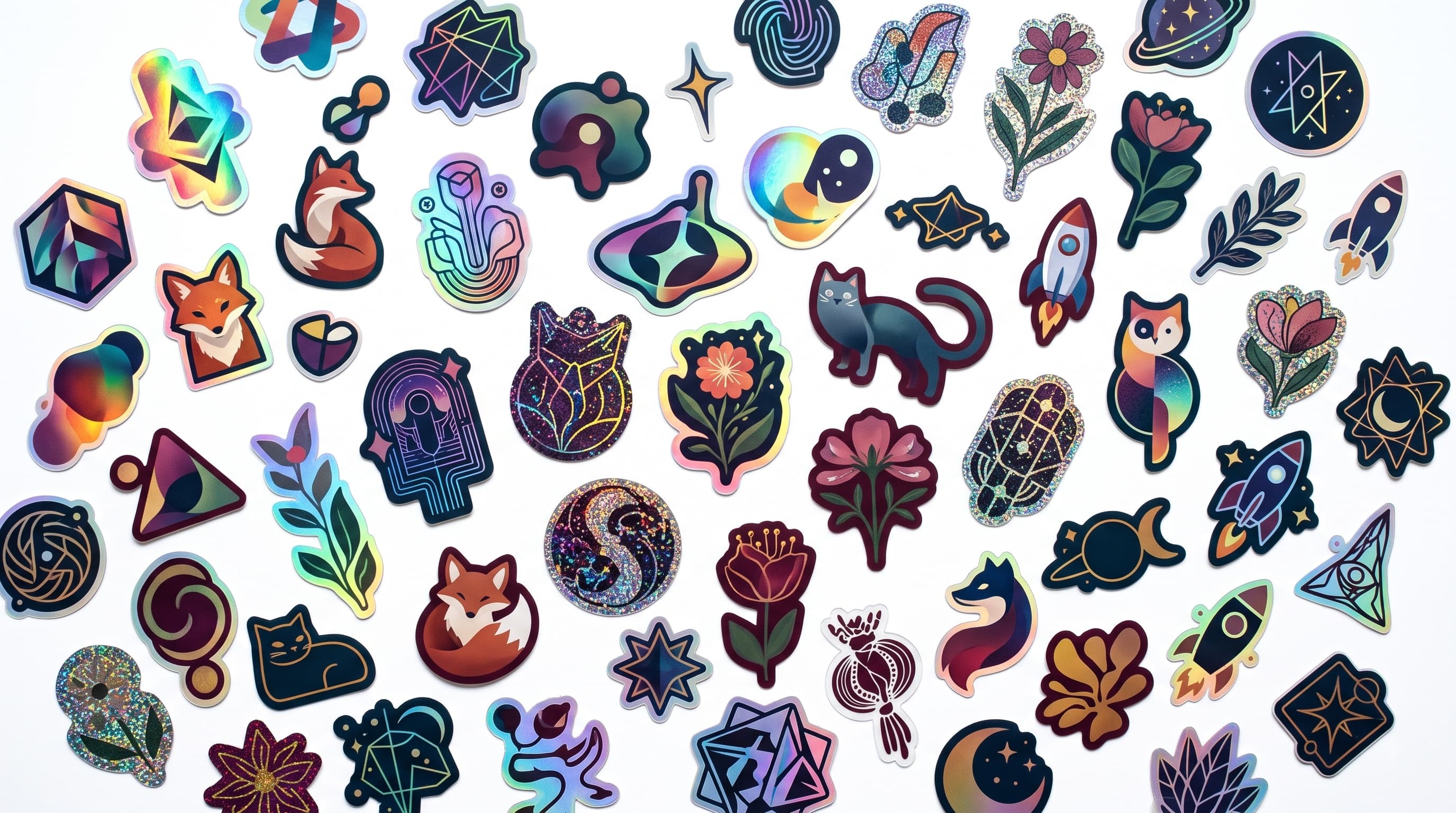
When scaling an e-commerce business, relying on a single supplier can limit your margins and operational flexibility, which is why finding reliable sticker mule alternatives becomes a priority. Sticker Mule earned its reputation for fast turnarounds and a straightforward ordering experience. However, for e-commerce sellers watching margins, its per-unit pricing and bulk-order structure do not always align with lean operations. If you sell on platforms like Shopify or Etsy, you may require lower base costs, smaller minimum order quantities, specialty materials, or automated print-on-demand integrations.
This article methodically compares seven alternatives to sticker mule against consistent, real-world criteria. By evaluating each option on its operational trade-offs, you can select the right provider for your business rather than chasing a one-size-fits-all solution.
What to Look For in a Sticker Mule Alternative
To evaluate custom sticker printing services objectively, we must establish a clear framework. In our testing, four critical pillars separate a scalable sticker supplier from one that creates administrative bottlenecks. We measured every service on this list against these identical standards.
- Print Quality & Materials: Stickers are low-cost items with incredibly high visual expectations from customers. We examine print sharpness, color vibrancy, adhesive strength, and laminate durability. The availability of specialty finishes, such as holographic, glitter, clear, and eco-friendly stocks, is heavily weighted.
- Pricing & Margins: Because the retail price of a sticker is relatively low, your base cost directly dictates your profit margin. We compare unit pricing for small batches versus bulk runs, along with any available subscription discounts or loyalty programs.
- Turnaround Time & Shipping: Efficient fulfillment keeps customers satisfied and reduces support inquiries. We evaluate standard fulfillment time, domestic and international shipping rates, and the availability of expedited production tiers.
- Minimum Order Quantity (MOQ) & Integrations: Print-on-demand (POD) sellers require automated order routing to eliminate manual data entry. We look for direct API connections with major e-commerce platforms and evaluate whether the supplier allows single-unit orders (no MOQ) or requires bulk purchasing.
The 7 Best Sticker Mule Alternatives of 2026
Our list spans a spectrum of production models, from automated print-on-demand marketplaces to specialized boutique manufacturers and high-volume commercial printers. Consider these best sticker mule alternatives in the context of your store's specific logistics and pricing structure.
1. Printful (Best for All-in-One Integration and Consistency)
Printful is a highly reliable option for e-commerce integration, handling production in-house through its global network of fulfillment centers. This centralized control ensures high quality and consistent color matching across orders. According to Printful, custom sticker prices range from $2.20 to $5.05 depending on the sticker type and dimensions, which covers the printing and base manufacturing while shipping is calculated at checkout (checked October 2026). The catalog features versatile kiss-cut stickers printed on durable, thick vinyl bases, alongside eye-catching holographic styles that reflect a rainbow spectrum.
The platform provides a robust infrastructure for automated selling. According to Bootstrapping Ecommerce, Printful grants complete catalog access with no subscription barriers, offering automatic order fulfillment via integrations with dozens of sales channels, like Shopify, Etsy, Wix, and TikTok Shop.
Sellers should monitor shipping overheads, as carrier rates adjust periodically. For instance, according to Bootstrapping Ecommerce, shipping for stickers, postcards, and patches in the US has crept up over time. This remains a minor adjustment, but it affects low-cost items.
Best for: Shopify and Etsy merchants seeking hands-off, automated fulfillment with high quality control.
- Pros: In-house printing ensures uniform quality; seamless API integrations; no upfront platform fees; robust mock-up generator.
- Cons: Higher base costs compared to open-marketplace models; lower profit margins on low-volume single orders.
2. Printify (Best for Price and Supplier Choice)
Printify utilizes a decentralized marketplace model, connecting merchants with a worldwide network of independent print providers. This allows you to choose suppliers based on base cost, geographic proximity to your customers, or historical rating scores. According to Printify, custom sticker printing starts as low as $1.21 per item, and enrolling in Printify Premium, offering up to 20% off all product prices can lower those costs further (checked October 2026). Crucially for lean startups, you can add custom stickers with no minimum to your store and scale at your pace without holding physical inventory.
This model is highly advantageous for protecting retail margins. According to Ecommerce-Platforms, Printify is highly recommended because the main reason is cost control, and since stickers are inexpensive products by nature, your base price matters more here than almost any other POD category. This assessment is supported by independent industry reviews. Bootstrapping Ecommerce mentions that Printify offers the lowest per-sticker cost and connects to more sales channels than any other provider, but quality varies by print partner.
The primary trade-off is the potential variance in print execution across different providers. However, its core strength is accessing a wide supplier network for sticker printing, which often results in the most competitive base costs. E-commerce merchants can mitigate any quality variance by ordering sample packs from selected providers before opening their storefronts to public orders.
Best for: Margin-conscious e-commerce sellers who prioritize low unit costs and want to choose their manufacturing partners.
- Pros: Lowest starting base costs on individual stickers; zero inventory requirements; extensive integration options; excellent premium discounts.
- Cons: Quality consistency depends entirely on your chosen supplier; shipping costs can compound if sourcing from multiple providers for one order.
3. StickerApp (Best for Customization and Special Effects)
StickerApp caters directly to designers and illustrators who require creative control over special effects and finishes. According to StickerApp, the platform provides an extensive range of specialized substrates, including durable outdoor vinyl, eye-catching holographic effects, and glitter and prismatic options that add a distinctive flair. This allows artists to turn digital designs into tactile, highly stylized merchandise.
Their pricing model is also highly accommodating to colorful illustrations. According to StickerApp, you are not charged per printed color, so you can make a design with as many colors and effects as you want and always pay the same price. You can view examples of these finishes on the official StickerApp Instagram showcase, which demonstrates how different laminates interact with light.
The primary trade-off involves thickness and extreme environment durability. Users often characterize some stocks as thinner or more pliable than typical premium vinyls, and certain finishes can show wear faster under rough use. While this is rarely an issue for indoor items like laptop covers, phone cases, or journals, it can be a factor for automotive or outdoor gear applications.
Best for: Artists and creators whose product value relies on unique materials, metallics, and glitter finishes.
- Pros: Diverse specialty material catalog; flat-rate color pricing; highly intuitive, visual online design builder.
- Cons: Thin stock feel on select materials; lacks native, automated print-on-demand integration for direct consumer fulfillment.
4. Jukebox (Best for Premium and Eco-Friendly Materials)
Jukebox is a high-end commercial printer focused on premium finishes and sustainable manufacturing practices. The brand targets corporate clients and eco-conscious businesses looking to distance themselves from standard plastic materials. From Jukebox, its eco-natural paper line is produced with FSC-certified paper and Greenguard-certified inks, while its eco-soft matte alternative is 100% Greenguard certified and contains no PVC.
Despite operating as a traditional commercial printer, they maintain accessible entry points for small brands. They accept short-run orders starting from 25 with no high minimums, and frequently deliver on an advertised one-business-day turnaround for standard shapes.
Best for: Brands looking to emphasize sustainability, plastic-free packaging, or premium matte finishes.
- Pros: Broad selection of premium, biodegradable, and textured paper stocks; exceptionally fast production times; low bulk minimums.
- Cons: High cost per unit on small runs; lacks direct automated e-commerce store routing.
5. VistaPrint (Best for Small Businesses and Bulk Discounts)
VistaPrint is an established name in corporate printing, making it a highly reliable and predictable partner for regional small businesses. The production workflow utilizes precision die-cutting and kiss-cut technology with custom dielines so every sticker is trimmed to the shape you designed. Shipping is flexible, with several shipping speeds including economy, standard, and express, with 2-day rush available on some products.
The company supports diverse product formats, offering custom stickers on sheets, rolls, or as individual die-cuts. According to the product pages on VistaPrint, individual custom stickers can be ordered in small quantities, making it easy to test small batches without heavy upfront costs.
Best for: Brick-and-mortar businesses, local service providers, and brands requiring uniform marketing collateral.
- Pros: Highly reliable customer service; low minimum order thresholds; wide range of shapes, sheets, and roll formats.
- Cons: No direct e-commerce backend integrations; shipping costs can make small orders less cost-effective.
6. Sticker Ninja (A Cheaper Alternative to Sticker Mule for Fast Turnarounds)
For domestic sellers seeking cheaper alternatives to sticker mule that maintain premium material standards, Portland-based Sticker Ninja is an excellent choice. A major benefit of their service is shipping economy: domestic shipping in the U.S. is completely free, which significantly reduces the total landed cost of your inventory. Their vibrant production quality is regularly featured on the Sticker Ninja Instagram gallery, highlighting their precise die-cutting on heavy vinyl.
The trade-off lies in the standard production schedule, which is slower than some larger automated hubs. Sticker Ninja promises their standard turnaround is 7-10 business days for most items. However, they offer a granular, transparent rush-pricing matrix. Paid rush options shorten that, at a steep markup for next-day turnaround, and standard USPS Priority packages generally arrive within a few business days.
Best for: US-based creators who want free domestic shipping, durable thick-grade vinyl, and hands-on customer proofing.
- Pros: Free domestic shipping on all orders; thick, durable 6-mil vinyl stocks; highly transparent rush production options.
- Cons: Standard turnaround times are relatively slow; no automated e-commerce app integrations.
7. GotPrint (Most Affordable for Large Bulk Orders)
GotPrint is an industrial-scale printing facility designed to deliver high-volume runs at low margins.they focus on supplying high-quality custom stickers in multiple shapes, sizes, and materials at low prices. These items are sold in fixed bulk tiers. As documented on GotPrint Amazon listings, stickers are offered in standard bulk packs of quantities of 100, 250, 500, 1000, or 2500 with bulk shipping.
However, buyers must pay close attention to material specifications. GotPrint's standard paper and sticker materials are meant for indoor use only, and outdoor use is not recommended. While they are perfect for branding cardboard boxes, shopping bags, or invoice slips, they are not designed to withstand UV exposure or rain on water bottles and vehicles.
Best for: High-volume sellers needing thousands of branded packaging labels or promotional hand-outs at the lowest possible unit cost.
- Pros: Exceptionally low price per unit on bulk orders; consistent corporate-grade production; fast industrial turnarounds.
- Cons: Standard materials are not weatherproof; strict tier requirements with a minimum order quantity of 100.
Comparison at a Glance: Which Alternative Is Right for You?
The comparison table below outlines how each service aligns with the core criteria, helping you balance value for money against your operational requirements.
| Service | Best For | Starting Base Cost | Quality / Materials | Minimum Order Quantity |
|---|---|---|---|---|
| Base prices checked in October 2026 on Printful and Printify. |
| Printful | Automated e-commerce integration | ~$2.20 – $5.05 | High, consistent thick vinyl | 1 (True POD) | | Printify | Profit margins & vendor choice | ~$1.21 | Good, dependent on chosen partner | 1 (True POD) | | StickerApp | Holographic & specialty finishes | Variable by material | Excellent visuals, thinner stock | Low (typically ~10) | | Jukebox | Premium & eco-friendly paper | Premium pricing tiers | Outstanding eco-natural & wood stocks | 25 | | VistaPrint | Small business marketing runs | Moderate bulk pricing | Reliable, standard shapes | 10 | | Sticker Ninja | US shipping savings & thick vinyl | Moderate, free US shipping | Highly durable 6-mil vinyl | Small batch (~10–25) | | GotPrint | Industrial high-volume bulk | Extremely low at volume | Good, best suited for indoor use | 100 |
Finding the right sticker mule alternatives is ultimately about aligning a supplier's strengths with your operational bottleneck. If you operate an automated Shopify or Etsy store where manual shipping is not viable, Printful is an excellent choice for consistency, while Printify offers the best flexibility to optimize your base cost. For artists relying on holographic or glitter visuals, StickerApp remains a top choice. Businesses looking to emphasize sustainability can utilize Jukebox, whereas those ordering thousands of paper packaging labels will find GotPrint hard to beat on unit cost.
What This Means for Your Store
Moving away from a single vendor like Sticker Mule reveals a diverse market of specialized alternatives. The optimal partner for your business depends on which operational lever you need to pull: base cost, material selection, production turnaround, or direct e-commerce integration. A high-volume seller focusing on unit economics will inevitably select a different partner than an independent illustrator selling limited-edition holographic stickers.
The most practical next step is to select two options that match your store's logistics, order sample packs, and test the print quality firsthand before listing new items. As your business grows, you may find that using multiple suppliers (such as an automated POD platform for everyday orders and a specialized local printer for premium product lines) is the most effective way to protect your margins and scale your brand.
FAQ
Which Sticker Mule alternative has no minimum order quantity?
Both Printful and Printify offer true print-on-demand fulfillment with no minimum order quantities, allowing you to print and ship individual stickers as customer orders arrive.
What is the cheapest alternative to Sticker Mule for high-volume printing?
GotPrint offers the lowest cost per unit for large bulk orders (1,000+ units), though their standard stocks are primarily designed for indoor use. For weatherproof bulk vinyl, Printify or Sticker Ninja offer excellent, highly competitive volume pricing.
Are print-on-demand stickers durable enough for outdoor use?
Stickers printed by Printful and Printify's premium partners use high-grade, water-resistant vinyl laminates suitable for water bottles and laptops. However, for extreme outdoor environments or automotive use, dedicated vinyl specialists like Sticker Ninja provide thicker 6-mil laminates designed to resist heavy weather and UV exposure.
Can I integrate these custom sticker printing services with Shopify or Etsy?
Yes. Printful and Printify offer direct, seamless integrations with Shopify, Etsy, WooCommerce, and other major platforms, allowing you to automate your entire order routing and fulfillment process. Traditional printers like StickerApp, VistaPrint, and Jukebox require manual ordering.
Keep reading
- Best Print-on-Demand for Mugs in 2026: 4 Platforms Compared
Looking for the best print on demand for mugs in 2026? We compare Printful, Printify, Gelato, and Gooten on mug variety, print quality, and profit margins.
- Gelato Review 2026: Pricing, Quality & Our Verdict
A complete Gelato print on demand review for 2026. We cover pricing, product quality from our tests, and shipping speeds to help you decide if it's worth it for your store.
- POD Shipping Times: Printful vs Printify vs Gelato in 2026
Comparing print on demand shipping times for 2026? We analyze fulfillment and transit for Printful, Printify, and Gelato to help you choose the right POD platform for your store.